
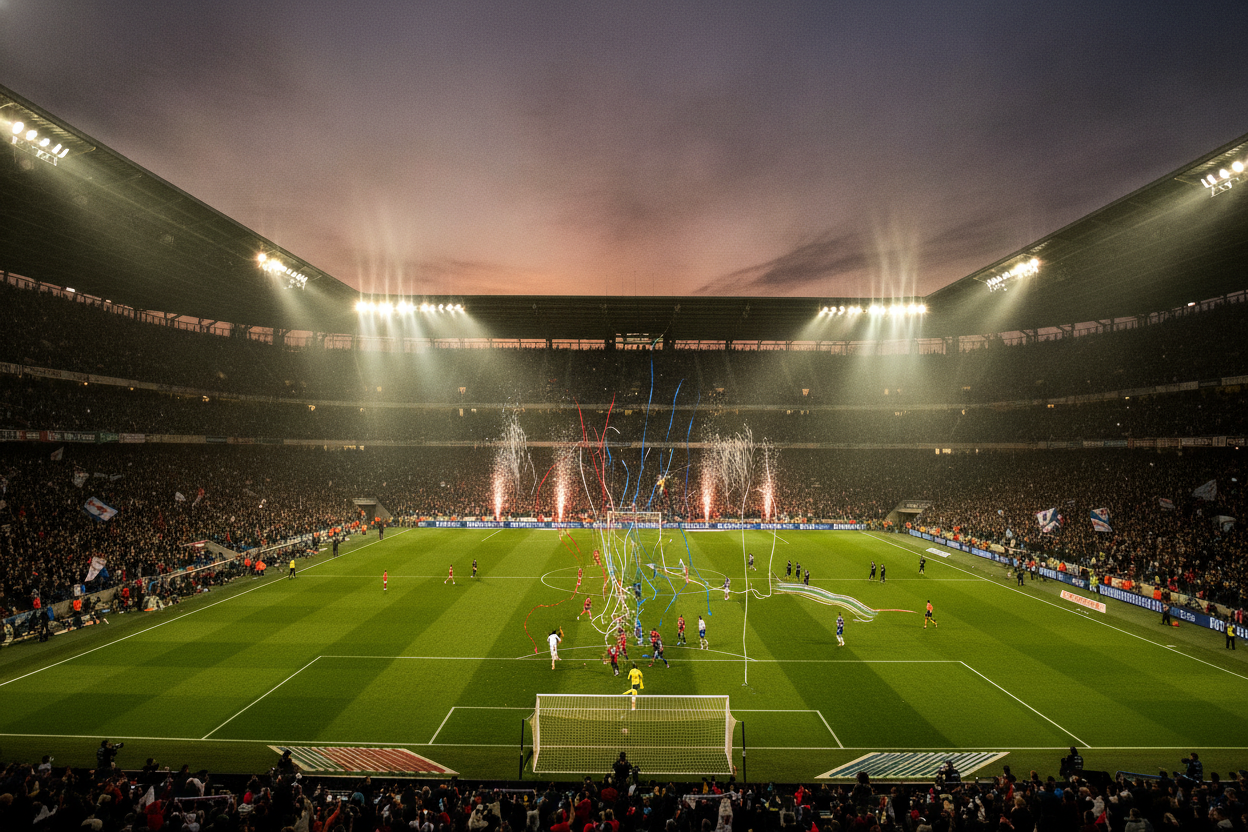
Football stadium photography is about capturing both structure and emotion. A strong image can show the scale of a venue, the texture of its architecture, and the pulse of the crowd all at once. To get there, think carefully about timing, because the best photos often happen before the match starts, during warmups, or in the moments after the final whistle.
Composition matters just as much as equipment. Wide angles work well for exterior shots and sweeping interiors, while tighter frames can emphasize details like seating patterns, roof supports, or supporters holding scarves aloft. If the sky is dramatic, use it. If the crowd is colorful, let that become part of the frame. The more you observe, the more opportunities you will find.
It also helps to be respectful and efficient. Move quickly between spots, follow stadium policies, and avoid blocking other fans. A good photographer learns how to work with the flow of the matchday rather than against it. Whether you are using a phone or a dedicated camera, the goal is the same: create images that make the stadium feel alive long after the visit ends.
Leave a Reply