
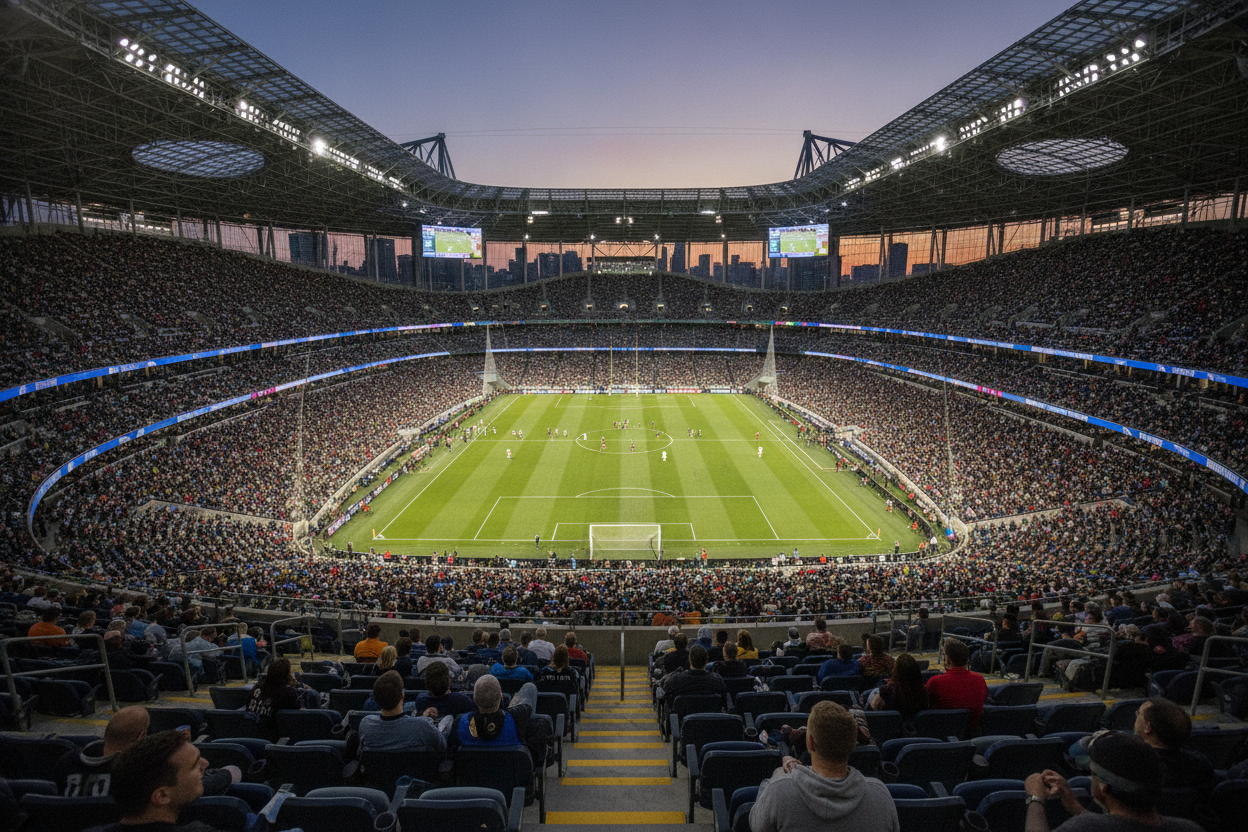
Football stadium design is about much more than looks. A strong design balances atmosphere, safety, sightlines, and crowd movement so that fans enjoy the game from the moment they arrive until long after the final whistle. The best stadiums often feel intimate even when they hold large crowds, because the seating bowl is arranged to keep supporters close to the pitch.
Good sightlines are one of the most important features in any stadium. Fans want an unobstructed view of the field, and architects work carefully to shape stands, angles, and roof lines to support that goal. Acoustics matter too, because sound can transform a normal match into a special one. Roofs and enclosed corners often help trap noise, creating the kind of roaring atmosphere football supporters love.
Modern stadiums also need to be practical. Wide concourses, clear entrances, accessible seating, and efficient transport connections all improve the experience. Many newer venues include hospitality spaces, museums, and event facilities so they can serve more than one purpose throughout the year. For visitors, understanding these design basics helps explain why two stadiums of similar size can feel completely different on matchday.
Leave a Reply